
Recently, a behind-the-scenes moment from a newsroom preparing to go live at 7:00 captured the attention of many Jamaicans.
What stood out wasn’t just the broadcast. It was what happened in the final ‘minute’ before.
At 6:59, there was movement. There was coordination. There were authentic conversations happening in real time that we would not see on the television at 7:00 pm. People adjusting. People supporting each other. A team preparing to deliver under pressure.
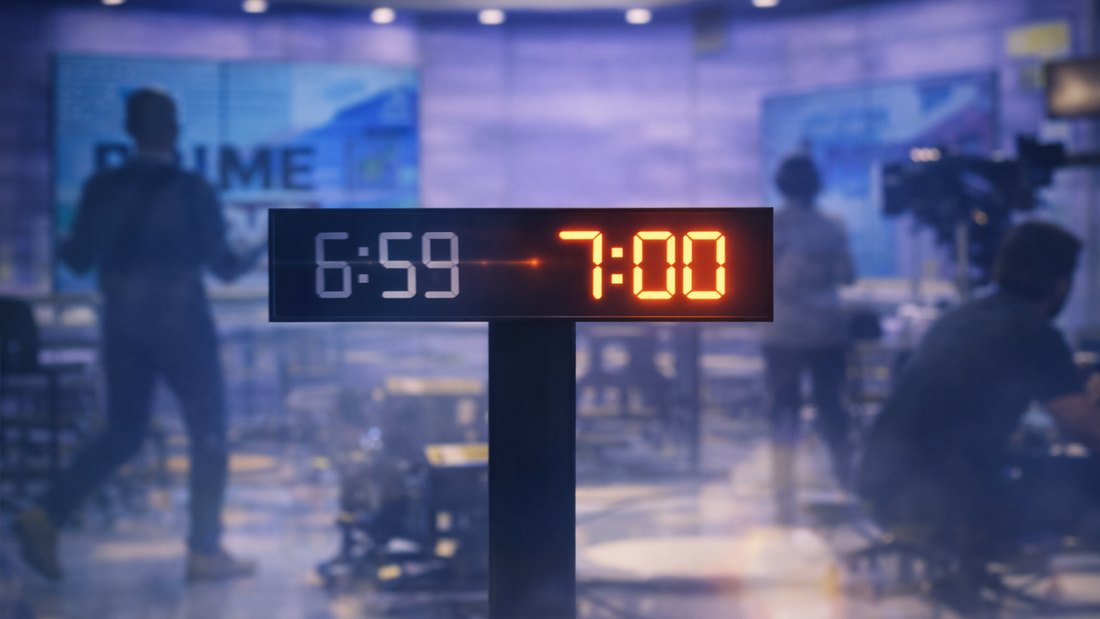
The reaction said a lot
Many people expressed surprise. Some even joked that the anchors seemed almost robotic before; so composed, so seamless, that seeing this side of them felt unexpected. Others were curious about how long that final minute must have felt leading up to the broadcast.
But the sentiment that stood out most was the sense of enjoyment. People appreciated being given a glimpse into something that is usually experienced as polished, structured, and highly professional.
What that reaction revealed
1. When professionalism is consistent, visibility becomes refreshing
People are accustomed to seeing the finished product, a seamless delivery, on time, every time.
So when they are given a glimpse behind the scenes, it doesn’t disrupt their trust. It adds to it. It becomes insight. It becomes something that draws them in rather than pushes them away.
2. Consistency shapes how moments are interpreted
That same moment would likely have been received very differently if what people consistently experienced was unpreparedness. If timing was often off, if coordination appeared lacking, or if delivery felt uncertain, then that behind-the-scenes view would not feel refreshing. It would feel concerning.
Would the reaction have been the same if what we saw in that moment reflected inconsistency instead of readiness? If we were unsure whether 7:00 really meant 7:00?
The service lesson
Customers don’t see everything behind the scenes. They don’t see the preparation. They don’t see the pressure. They don’t see the systems holding everything together.
What they do see is how people interact, how moments are handled, how consistent the experience feels, and how prepared a team appears when it matters.
And from that, they form a perception.
What stood out in that longest minute
- People stepping in to support each other in real time
- Last-minute adjustments as the clock counted down
- Quick conversations to stay aligned while still focused
- A shared awareness that the moment mattered
- And importantly, a shared understanding that 7:00 meant 7:00
What “I want to work here” really means
One of the most telling reactions was how many people said: “Healthy work culture.”
That response goes beyond surface-level admiration. It reflects something deeper. People are drawn to environments where there is structure, there is coordination, there is mutual support, and there is clarity in how work gets done.
What they saw wasn’t just camaraderie. They saw a system working. They saw people they could rely on. They saw a team that understood its role and executed together.
Where this applies beyond a newsroom
This isn’t limited to media. In many everyday environments, customers experience something different: delays without communication, inconsistency in how time is treated, lack of coordination under pressure, visible disorganization in key moments.
How often have we walked into a retail outlet only to overhear staff conversations that should never reach the front line?
These moments may seem small internally. But externally, they shape perception.
The moment before the moment
That longest minute highlights something we often overlook: the moments before delivery matter just as much as the delivery itself. Because that is where preparation meets execution, coordination becomes visible, and trust is either reinforced or weakened.
Customers may not see everything behind the scenes. But they always feel the result. And what they feel becomes what they believe.
If someone observed your longest minute, what would they see? And what would they believe about your environment because of it?
The SERVICE™ Mindset Self-Assessment
To help explore this further, we created an assessment designed to help you reflect on how you show up in service environments, how you contribute to team dynamics, and how your mindset shapes customer experience.
Building a stronger service culture begins with awareness, whether you’re leading one, joining one, or deciding the kind of environment you want to be part of.
Take the assessmentLet us know what stood out to you.